Industries
Explore verified opportunities in one of Asia’s fastest-emerging markets. Where innovation meets investment.
Defence Manufacturing
Defence manufacturing is emerging as a vital sector in Sri Lanka, as the nation seeks to reduce reliance on imports and strengthen technological independence. Sri Lanka's geostrategic position in the Indian Ocean, at the nexus of major shipping routes, highlights the importance of developing strong defence and security infrastructure. This provides attractive opportunities for foreign investors to engage in local manufacturing and technology transfer.Currently, Sri Lanka's defence industry remains modest but has proven capabilities in producing light vehicles, naval craft, ammunition, and personal protective equipment. The Sri Lanka Navy's Dockyard in Trincomalee has successfully built patrol boats and offshore vessels for maritime security, while the Army has begun small-scale production of vehicles and equipment. These developments showcase the potential for rapid expansion through international partnerships.

The government actively promotes public–private partnerships (PPPs) and encourages collaboration with foreign manufacturers for research, development, co-production, and knowledge transfer. High-growth areas include communication systems, unmanned aerial vehicles (UAVs), maritime surveillance, and cyber security. Investors benefit from Sri Lanka's skilled engineering talent pool and cost advantages over regional peers.Supportive policies add further incentives. The Ministry of Defence has expressed openness to joint ventures, and the Board of Investment (BOI) provides concessions for high-tech ventures. Sri Lanka also has export potential as a regional hub, supplying smaller-scale defence solutions to South Asia, Africa, and the Middle East.In the long run, defence manufacturing will enhance national security, create employment, generate foreign exchange, and foster technology transfer, making early investment highly advantageous.
Education
Education is one of Sri Lanka's greatest strengths, underpinned by a literacy rate of 92%, among the highest in South Asia. This strong human capital foundation makes the education sector highly attractive for investors, offering opportunities in both the domestic market and international student services.Sri Lanka's higher education system is undergoing significant transformation. While public universities continue to play a central role in producing graduates across diverse fields, demand for quality private education has risen sharply. The private sector has responded with institutions offering globally recognized degrees in business, IT, engineering, and medicine, particularly in Colombo and other urban centers. Similarly, private schools offering international curricula British, American, and IB are experiencing increasing demand from the expanding middle class.

The government actively supports private and foreign sector involvement. International universities are encouraged to establish branch campuses in Sri Lanka, and collaborations with local institutions are widespread. Technical and vocational education is also a national priority, particularly in ICT, hospitality, healthcare, and engineering, to align workforce skills with modern economic demands.Investment opportunities are diverse, ranging from private universities and training institutes to e-learning platforms and edtech solutions. With high internet penetration, Sri Lanka is well-positioned for rapid growth in digital education. Furthermore, the country's affordability and quality of instruction provide strong potential to establish itself as a higher education hub for students from South Asia, Africa, and the Middle East.By investing in education, stakeholders gain access to a growing market while contributing to long-term national development and global competitiveness.
Electric Mobility
Sri Lanka is gradually embracing the global shift towards electric mobility. Rising fuel prices, environmental concerns, and government-backed green initiatives are creating momentum for the electric vehicle (EV) market.At present, the majority of EVs in Sri Lanka are two- and three-wheelers, popular for short-distance urban mobility. Electric cars are also gaining popularity, supported by a growing network of charging stations in Colombo and other major cities. Importantly, the government has announced plans to electrify public transport, including buses and trains, as part of its green transition strategy.

Investment opportunities are vast. Key areas include EV assembly, battery development, charging infrastructure, and after-sales services. Local firms have already begun assembling electric three-wheelers, but collaborations with global EV manufacturers could significantly scale up production. With sufficient investment, Sri Lanka could evolve into a hub for EV manufacturing, even targeting regional export markets.The government supports this growth with incentives such as tax reductions and lower duties on EV parts. Policies are also aligned with reducing carbon emissions and supporting the UN Sustainable Development Goals (SDGs).For investors, Sri Lanka offers a promising entry point. A combination of policy support, rising consumer awareness, and cost competitiveness makes the country attractive for sustainable mobility ventures. Future prospects include smart mobility applications, renewable-powered charging stations, and battery-swapping networks.The outlook for electric mobility in Sri Lanka is strong: innovation, investment, and sustainability will drive its expansion, positioning the country as a regional player in clean transport solutions.
Electronic Components and Materials
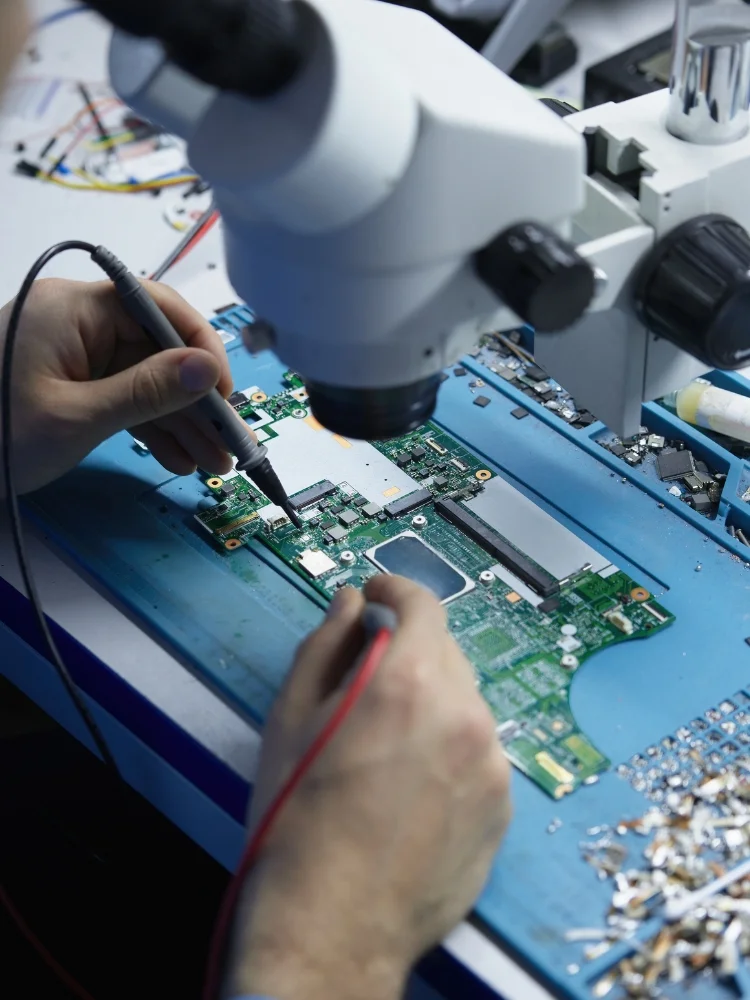
Sri Lanka's electronics sector is emerging as a promising industry, fueled by global demand for semiconductors, printed circuit boards (PCBs), and raw materials for high-tech applications. Although the current manufacturing base remains modest, steady export growth in specialized components highlights significant potential.The country's strategic geographic position along major shipping routes connecting East Asia, the Middle East, and Europe strengthens its trade in the Middle East, and Europe strengthens its trade competitiveness. Combined with free trade agreements with regional economies, Sri Lanka provides investors an ideal gateway to South Asian and ASEAN markets.

At present, exports include insulated wires, cables, resistors, and small-scale semiconductor parts supplied to Europe and Asia. Partnerships between local manufacturers and international players already contribute to global supply chains for automotive electronics, telecommunications, and consumer devices. The government, through the Board of Investment (BOI), is actively encouraging investments by offering tax incentives and developing high-tech manufacturing zones.Opportunities extend across semiconductor production, PCB assembly, fiber optics, and advanced electronic coatings. With global supply chains diversifying away from traditional hubs such as China and Vietnam, Sri Lanka is positioning itself as a cost-effective alternative supported by a skilled workforce.Domestic demand is also growing. The country's IT hardware and telecommunications sectors require more electronic components, ensuring steady local consumption alongside export markets.Looking forward, Sri Lanka aims to strengthen its electronics supply chain as part of its wider industrial diversification agenda. Entering the market now offers investors valuable first-mover advantages in a sector expected to expand rapidly in the next decade.
Electronic Equipment & Sub-assemblies
Sri Lanka's electronic equipment and sub-assemblies sector plays a crucial role in supporting industries such as IT, telecommunications, automotive, and consumer electronics. This segment focuses on intermediate products—like wiring harnesses, circuit boards, and power systems—that are later integrated into finished devices.The country already exports wiring harnesses and electrical components to markets in Japan, Europe, and the United States. Sri Lankan firms are recognized for high-quality production and compliance with global standards, making the nation a reliable partner in international supply chains.One of the sector's main advantages is Sri Lanka's young, technically skilled workforce. Each year, engineering graduates enter the labor market, offering companies affordable and well-trained staff for assembly, testing, and quality assurance. This talent pool, combined with Board of Investment (BOI) incentives such as tax holidays and duty exemptions, strengthens the investment environment.

Future opportunities include establishing plants for automotive electronics, smart home devices, and telecommunication equipment. Growing demand is also seen in renewable energy sub-assemblies such as solar inverters, controllers, and battery storage systems—sectors aligned with Sri Lanka's green energy goals.The government is encouraging growth through the creation of electronic manufacturing clusters and dedicated industrial zones. With the right global partnerships, Sri Lanka could develop into a regional hub for mid-tier electronic manufacturing.For investors, this sector offers scalable operations, reliable export potential, and profitability. The combination of skilled labor, incentives, and rising global demand makes electronic sub-assemblies one of Sri Lanka's most attractive investment opportunities.
Electronic Products
The global electronics industry is one of the largest in the world, and Sri Lanka is gradually building a presence within it. The focus is on consumer electronics, IT hardware, and industrial equipment, offering investors multiple pathways into both domestic and export markets. Currently, Sri Lanka produces small-scale electronic products such as electric lamps, household wiring equipment, and consumer devices. Exports are complemented by rising domestic demand for smartphones, laptops, televisions, and appliances, driven by an increasingly tech-savvy middle class. This dual demand creates a strong foundation for investment.

Sri Lanka's advantages include competitive labor costs and an English-speaking workforce well-suited for electronics assembly and production. Special Economic Zones (SEZs) near Colombo and Hambantota provide infrastructure for high-tech manufacturing. Investors benefit from government incentives including tax exemptions, simplified approvals, and BOI-led industrial support. Potential areas for growth include mobile device assembly, computer hardware, smart appliances, and renewable-powered electronic products.Demand is also supported by the country's expanding IT-BPM and telecommunications industries, ensuring strong local consumption alongside export opportunities.Strategic partnerships with regional players in India, Singapore, and China could accelerate scaling and integration into global supply chains. These collaborations would help Sri Lanka attract technology transfer, enhance production capacity, and boost competitiveness.Looking forward, the government's industrial policies aim to position Sri Lanka as a competitive electronics hub in Asia. For investors, early entry offers a first-mover advantage in a sector with vast potential for long-term growth and regional market integration.
Food Processing
Food processing is one of Sri Lanka's most promising industries, leveraging its rich agricultural base and growing global demand for value-added products. Traditionally famous for tea, spices, and coconut, the country is now diversifying into packaged foods, ready-to-eat items, nutraceuticals, and export-oriented processed goods.The sector contributes significantly to GDP and provides large-scale employment across farming, manufacturing, and logistics. Major sub-sectors include tea, spice-based products, confectionery, dairy, seafood, and fruit and vegetable preservation. With access to abundant tropical raw materials and the strong global reputation of "Ceylon" branding, Sri Lanka is positioned to supply premium food items to international markets.

Investment opportunities are plentiful. Agro-processing zones, cold storage facilities, packaging plants, and modern food technology ventures all hold strong potential. The government recognizes food processing as a priority export driver and offers incentives for facilities that meet international standards such as ISO, HACCP, and GMP. Rising health awareness has also created demand for organic, natural, and plant-based foods, areas where Sri Lanka holds a competitive edge.Processed food exports already reach Europe, the Middle East, and Asia, with strong performance in coconut-based products, dehydrated fruits, herbal preparations, and seafood. Demand is expected to rise as Sri Lankan products gain wider recognition.The sector's outlook is highly positive. With a stable supply of raw materials, growing local demand, and expanding export opportunities, food processing combines tradition with innovation. For investors, it represents one of Sri Lanka's most attractive, sustainable, and profitable industries for long-term growth.
Furniture
Sri Lanka's furniture industry blends a long tradition of craftsmanship with modern production, serving both local and global markets. The sector provides strong opportunities in design, manufacturing, and retail, appealing to investors seeking scalable ventures.Domestically, urbanization and real estate growth have boosted demand for household and office furniture. Tourism has further expanded opportunities, with hotels and resorts requiring high-quality furnishings. Internationally, Sri Lanka exports wooden, cane, and metal furniture toEurope, the Middle East, and North America, where quality and sustainability are valued.

A key advantage is access to raw materials. Rubberwood and plantation timber ensure sustainable inputs for production. Skilled artisans maintain high standards of craftsmanship, while modern factories enable large-scale output for export. This balance of tradition and efficiency enhances Sri Lanka's competitiveness.The government promotes the industry through "Made in Sri Lanka" branding, tax incentives for BOI-approved projects, and reduced duties on imported machinery. Compliance with international environmental standards strengthens the country's reputation in eco-conscious markets, where sustainable furniture demand is growing.Investment opportunities include high-end designs for villas and resorts, modular office furniture for export, and eco-friendly product lines for global buyers. Increasingly, Sri Lankan manufacturers are also leveraging digital platforms to reach B2B and B2C customers worldwide, expanding their market reach.The future of the industry is promising. With skilled labor, reliable raw materials, and expanding export potential, Sri Lanka's furniture sector offers investors profitability, resilience, and long-term growth in a competitive global market.
Healthcare
Sri Lanka's healthcare sector is expanding rapidly, driven by demand for quality services, pharmaceuticals, and wellness offerings. The system combines public facilities offering universal coverage with private hospitals catering to domestic and international patients. This creates investment opportunities across infrastructure, technology, and specialized services.Private healthcare has grown significantly in Colombo and other cities. Modern hospitals provide advanced services in cardiology, oncology, neurology, and orthopedics. Medical tourism is on the rise, with patients from the Maldives, Seychelles, and East Africa seeking affordable, high-quality treatment in Sri Lanka.

Pharmaceuticals represent a major opportunity. Around 85% of the country's medicines are imported, highlighting the need for domestic production. The government, through its National Medicinal Drugs Policy, encourages local manufacturing with incentives for investors.Healthcare technology is another growing field. Telemedicine, AI-driven diagnostics, and digital health solutions have gained traction, especially after the COVID-19 pandemic. With high internet penetration and widespread English fluency, Sri Lanka is well-positioned for digital healthcare innovation.Government support is clear, with BOI-approved incentives for pharmaceutical plants, medical device assembly, and private hospitals. Traditional Ayurveda-based wellness is also being promoted as part of a broader healthcare offering.The outlook is strong. Rising middle-class expectations, an aging population, and global demand for medical tourism will continue to drive growth. For investors, healthcare in Sri Lanka offers stable returns, strong government backing, and the chance to directly contribute to the nation's well-being while tapping into a resilient and growing sector.
IT-BPM
Sri Lanka has emerged as one of South Asia's most competitive destinations for Information Technology and Business Process Management (IT-BPM). Over the past two decades, it has become a strong outsourcing hub, driven by a skilled workforce fluent in English and adaptable to global business cultures.The IT-BPM sector generates over USD 1.5 billion annually, with a target of USD 5 billion within the next decade. More than 120,000 professionals provide services in software engineering, data analytics, fintech, cybersecurity, enterprise solutions, and back-office operations. This positions Sri Lanka as a cost-effective yet high-quality alternative to markets like India and the Philippines.

A key advantage is human capital. Universities produce thousands of graduates in IT, engineering, and management each year. The younger workforce is digitally literate, entrepreneurial, and globally connected. Investors also benefit from competitive labor costs while maintaining high service standards.Global players such as HSBC, Accenture, and Virtusa operate in Sri Lanka, alongside growing local firms that serve international clients. This mix of multinational presence and local expertise has created a thriving ecosystem of knowledge sharing and innovation.The government actively supports the industry with BOI incentives, tax holidays, and infrastructure in technology parks. Colombo and Kandy are major IT hubs, while cities like Jaffna and Galle are entering the digital services space. Strong telecom infrastructure further boosts competitiveness.Looking ahead, IT-BPM is poised to become Sri Lanka's top export earner. With rising global demand for AI, blockchain, and cloud services, investors entering now gain valuable first-mover advantages.
Leather & Footwear
Sri Lanka's leather and footwear industry blends traditional craftsmanship with modern manufacturing, serving both local and global markets. Known for durable, stylish, and ethically produced goods, the sector employs over 40,000 people and contributes to both domestic demand and export growth.Production spans casual shoes, sports footwear, industrial safety boots, and luxury leather products. In addition to shoes, manufacturers produce handbags, belts, and accessories. Local tanneries supply leather, while international partnerships ensure consistent raw materials for industrial-scale output. Compliance with global standards strengthens Sri Lanka's reputation as a reliable sourcing destination.

A key advantage is preferential trade access. Under the EU's GSP+ scheme, Sri Lankan goods enjoy duty-free entry into Europe, expanding exports to countries like Germany, Italy, and the UK. Combined with competitive production costs, this positions the country as an attractive partner for international buyers.Investment opportunities are diverse. Areas include design innovation, branding, large-scale manufacturing, and joint ventures targeting exports. Niche markets such as eco-friendly footwear, vegan leather alternatives, and luxury goods are growing globally and can be tapped using Sri Lanka's skilled workforce.The government actively supports the industry with tax incentives, export promotion, and vocational training programs in design and production. Compliance with international labor and environmental standards further enhances long-term competitiveness.Looking forward, global demand for affordable yet high-quality footwear will continue to rise. By combining artisanal tradition with modern design, Sri Lanka is poised to strengthen its role in the global value chain, offering investors resilience and growth.
Media
Sri Lanka's media industry is one of the most diverse in South Asia, spanning print, radio, television, cinema, and fast-growing digital formats. It plays a central role in cultural and economic development while offering multiple investment opportunities. With more than half the population active on social media, digital media is now the fastest-growing segment.Television and radio remain vibrant, with dozens of channels in Sinhala, Tamil, and English. Print media, though facing global challenges, still contributes to daily news consumption. The film industry has a rich history, with Sri Lankan productions gaining recognition abroad. However, it is the rapid digital shift that drives the most dynamic growth.

Internet penetration above 50% and rising mobile adoption have boosted demand for online platforms and content. Streaming services, digital advertising, and social media-driven businesses are expanding rapidly. The younger generation, highly engaged with digital content, creates fertile ground for new ventures.Investment opportunities include OTT streaming platforms, advertising technology, content distribution partnerships, and co-productions in film and television. Sri Lankan stories and creative talent are also attracting international collaboration.Government support for creative industries under its diversification agenda strengthens this outlook. Policy encouragement, combined with digital adoption, ensures that investors entering now will benefit from strong momentum.The industry's future is digital-first. With rising smartphone use and marketing budgets shifting online, advertising and content creation will expand. For investors, Sri Lanka's media sector offers a young, connected market where growth will be fueled by creativity, culture, and technology.
Medical Devices
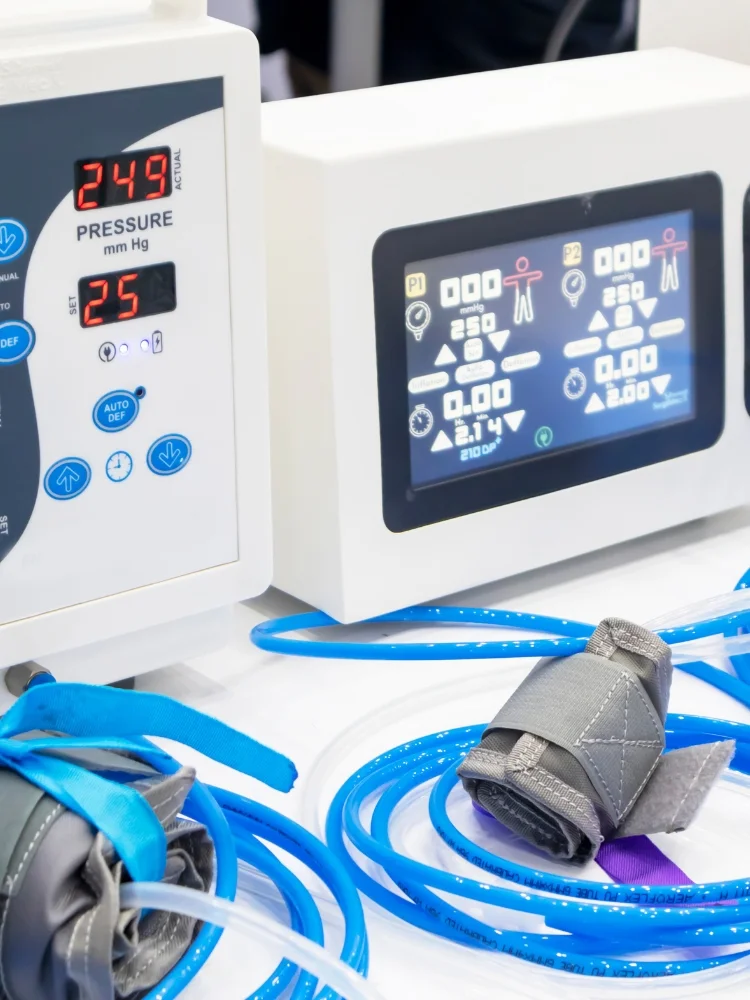
Sri Lanka's medical devices sector is expanding as healthcare demand rises. With private hospitals growing and government investment in public health, there is increasing need for diagnostic tools, surgical equipment, and hospital supplies. Currently, most advanced devices are imported, though local production exists in surgical instruments, gloves, and hospital furniture.

This reliance on imports, combined with rising demand, creates strong opportunities for investment in manufacturing and assembly. Sri Lanka is strategically positioned to serve regional markets across South Asia, Africa, and the Middle East. Its skilled workforce, with expertise in engineering and healthcare, supports device development and maintenance. Competitive operating costs further enhance the country's attractiveness.Government policy supports this growth. Reducing import dependence for pharmaceuticals and devices is a priority, with BOI-approved projects offering incentives and tax benefits. Hospitals, especially in Colombo, are receptive to adopting advanced technologies, ensuring a ready market for innovation.Investment opportunities range from consumables such as syringes, gloves, and disposables to higher-value devices including patient monitoring systems, imaging equipment, and dental tools. Export prospects are also strong, given growing regional demand for affordable, high-quality medical devices.The outlook is highly positive. Medical devices align with global healthcare growth trends while serving Sri Lanka's domestic needs. Investors benefit from stable demand, skilled professionals, and supportive policies, while contributing to improved public health and reduced import dependency. For those seeking a foothold in South Asia's healthcare supply chain, Sri Lanka offers an emerging sector with long-term profitability and strategic potential.
Metals & Mining
Sri Lanka's metals and mining sector is built on a foundation of rich mineral resources, with vein graphite being its most prized asset. Known as some of the purest in the world, Sri Lankan graphite is in growing demand globally for electric vehicle batteries, renewable energy storage, and specialized industrial products. This positions the island as a critical supplier to the green economy.Beyond graphite, the country holds valuable reserves of ilmenite, rutile, zircon, feldspar, and quartz, widely used in ceramics, paints, construction, and electronics. Currently, most of these minerals are exported in raw or semi-processed form, limiting value capture. Recognizing this gap, the government has prioritized value addition, creating opportunities for investors in refining, advanced processing, and downstream industries.

Sri Lanka's location adds strategic appeal. Situated close to India, China, and Middle Eastern markets, it provides easy access to fast-growing industrial economies. Well-established ports and relatively low labor costs enhance competitiveness, while a skilled workforce supports advanced processing ventures.Sustainability is also central to the sector's future. Updated mining regulations encourage responsible extraction, rehabilitation of sites, and eco-friendly processing. This is vital for global buyers who increasingly demand ethically sourced materials.Looking ahead, metals and mining will expand its role in supplying essential raw materials for renewable energy, electronics, and infrastructure. Investors entering now can benefit from both Sri Lanka's natural advantages and the global shift toward sustainable resource supply chains, making the sector an attractive choice for long-term, high-value investment.
Oil & Gas
The oil and gas sector in Sri Lanka is in its infancy but holds transformative potential. The discovery of hydrocarbon reserves in the Mannar Basin has attracted international attention, with exploration and feasibility studies underway. If fully developed, these reserves could reduce Sri Lanka's dependence on imported petroleum, strengthen energy security, and generate significant foreign exchange earnings.

Currently, the island relies heavily on imports to meet domestic fuel demand, creating both economic vulnerability and opportunities for investment. Infrastructure projects such as refinery modernization, LNG (liquefied natural gas) terminals, storage, and distribution facilities are high-priority areas where foreign expertise and funding are welcome. The government is also open to public–private partnerships, particularly in transport and storage networks.Sri Lanka's location on busy East–West maritime routes adds further value. With Colombo and Hambantota ports already serving global shipping, the country could evolve into a regional hub for bunkering, LNG trade, and maritime fuel services. This would position Sri Lanka as a competitive player in South Asia's energy logistics.Policy reforms have opened the market for greater private participation. Liberalization of distribution and government-backed incentives allow investors to enter both upstream (exploration and production) and downstream (refining and distribution) activities.While the global energy transition toward renewables is underway, petroleum and natural gas will remain critical for shipping, industry, and transport for decades. Early investors in Sri Lanka's oil and gas sector can secure strategic advantages in a market poised for expansion, balancing risk with high long-term rewards.
Packaging
Sri Lanka's packaging industry has become one of the fastest-growing segments of the economy, fueled by the expansion of food processing, pharmaceuticals, consumer goods, and export-oriented manufacturing. Packaging is now seen not just as a necessity but as a competitive differentiator, particularly in exports where branding, preservation, and compliance with international standards are critical.Local manufacturers supply a diverse range of packaging products, including paper, plastics, glass, and flexible solutions. However, global and domestic shifts toward sustainability have created new opportunities for eco-friendly packaging. Investors specializing in biodegradable, recyclable, or smart packaging technologies can find strong demand, as both consumers and global buyers increasingly prioritize green solutions.

Domestically, rising urbanization, supermarket growth, and e-commerce are driving the need for high-quality, safe, and attractive packaging. In exports, tea, spices, and seafood—premium Sri Lankan products—rely heavily on innovative packaging for shelf life, presentation, and branding. This makes packaging a direct contributor to higher margins and global competitiveness.The government, through the Board of Investment (BOI), supports innovation-driven projects with tax holidays, duty-free imports of machinery, and simplified approvals. Eco-friendly initiatives in particular align with Sri Lanka's sustainability commitments, increasing the chances of policy support.Looking forward, the industry is set to expand further as manufacturing, exports, and retail consumption rise. Investors can play roles in both production and design, adding value through innovation and branding. With steady domestic demand and global opportunities, packaging in Sri Lanka offers profitable growth potential and long-term sustainability advantages.
Pharmaceuticals
Sri Lanka's pharmaceutical sector is a high-potential industry, currently importing about 85% of its medicinal needs. This heavy dependency creates both risks and opportunities, especially as supply disruptions have highlighted the urgency for local manufacturing. The government has identified pharmaceuticals as a priority sector for investment and is actively promoting domestic production.

Demand for medicines is rising rapidly due to an aging population, the prevalence of non-communicable diseases such as diabetes and heart conditions, and greater awareness of healthcare. Private hospitals and clinics are also expanding, fueling demand for generics, specialized drugs, and wellness products.For investors, opportunities exist across the value chain—from local production of generics to advanced manufacturing in active pharmaceutical ingredients (APIs), biotechnology, and nutraceuticals. Sri Lanka's skilled professionals, research capacity, and policy incentives such as tax holidays and duty-free imports support industry growth. Dedicated healthcare zones are also being developed to provide world-class facilities.Export prospects are strong, with South Asia, Africa, and the Middle East seeking affordable quality medicines. Sri Lanka's strategic location and commitment to meeting international quality standards can help it expand into regulated global markets.Overall, the sector is poised to become a cornerstone of healthcare and industry policy. Early investors can benefit from first-mover advantages while contributing to improved public health and reduced import dependency.
Ports & Shipping
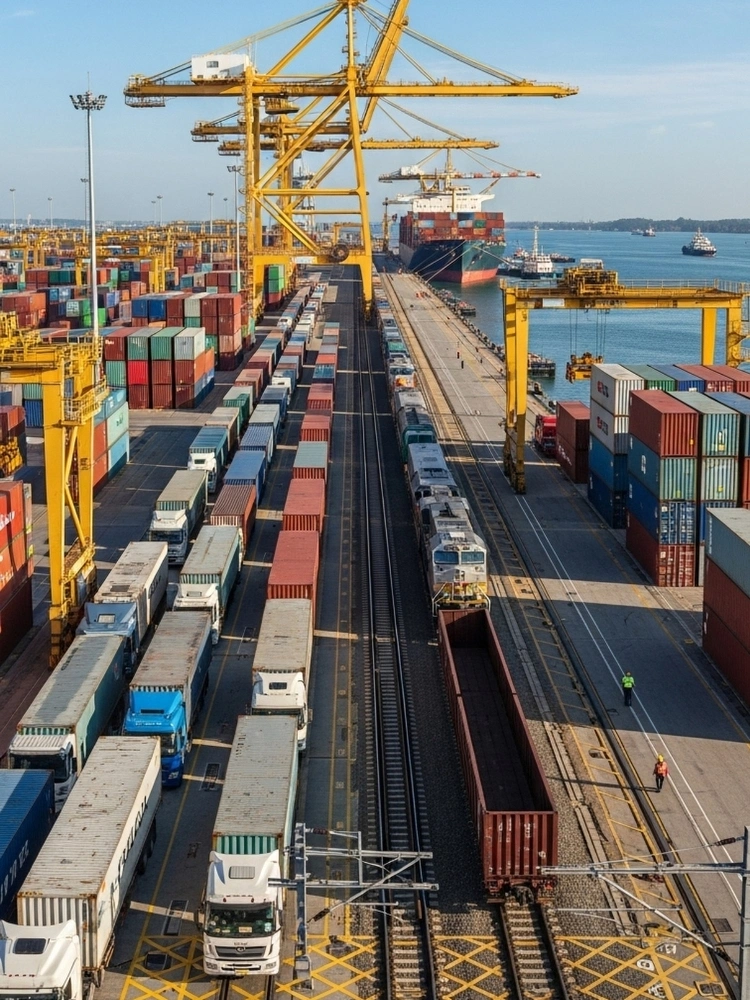
Sri Lanka's ports and shipping sector is central to its trade, benefiting from a prime location along the busy East–West maritime route. Colombo Port is South Asia's busiest transshipment hub, while Hambantota and Trincomalee ports are emerging as specialized hubs for vehicles, bulk cargo, and energy-related services.The sector has attracted international operators and continues to expand through public–private partnerships. Key growth areas include container handling, logistics, bunkering, warehousing, and ship repair. With global trade volumes rising, Sri Lanka's ports are well placed to capture business from India, Southeast Asia, and Africa.

Colombo Port consistently ranks high for efficiency and connectivity, strengthening its role as a regional hub. Hambantota Port, close to busy shipping lanes, is growing in importance, while Trincomalee's natural depth positions it for industrial and energy logistics.Investment opportunities span infrastructure development, terminal expansion, logistics services, and maritime technology. The government has prioritized modernization and provides a stable framework for long-term investors.Looking forward, Sri Lanka aims to consolidate its role as a global maritime center. Growing international trade ensures sustained demand for efficient ports and logistics, making the sector one of the most secure and attractive avenues for investment.
Railways
Sri Lanka's railway network, dating back to the 19th century, spans over 1,500 km and remains vital for passenger and freight transport. With rising road congestion, railways are increasingly seen as a sustainable alternative, creating opportunities for modernization and investment.Passenger transport dominates operations, with thousands commuting daily between Colombo and suburbs, and long-distance trains connecting cities such as Kandy, Jaffna, and Galle. Freight services are also important for bulk goods like fuel, cement, and agricultural produce.

The government has ambitious plans to upgrade the sector through electrification of key lines, modern rolling stock, and advanced signaling systems. These initiatives create investment opportunities in infrastructure, technology, and service partnerships. Station upgrades and service management are also being considered.Tourism adds another dimension. Scenic routes such as Colombo–Kandy and Kandy–Ella attract global travelers, offering potential for luxury carriages, premium services, and digital ticketing solutions. Enhancing tourist-focused rail services could significantly boost revenue.The sector's modernization aligns with Sri Lanka's push for sustainable transport. Electrification, digitalization, and improved efficiency will reduce costs and environmental impact. For investors, railways offer diverse opportunities, from supplying technology to developing infrastructure and forming long-term partnerships that transform one of Asia's oldest systems into a modern backbone of connectivity.
Real Estate
Sri Lanka's real estate sector has expanded rapidly, driven by urbanization, tourism, infrastructure upgrades, and foreign investment. Colombo is the hub for luxury apartments, office towers, and mixed-use projects, while cities like Kandy, Galle, and Jaffna are witnessing growing demand for residential and commercial developments.Residential real estate is thriving, with high-rise condominiums in Colombo in demand due to limited land. Seafront projects and suburban developments attract locals and expatriates alike. Tourism has fueled demand for villas, resorts, and serviced apartments in coastal and heritage areas, offering opportunities in hospitality-focused real estate.

Commercial real estate is also strong. Multinational companies and IT-BPM firms are expanding, increasing demand for modern office spaces and co-working facilities. Large-scale projects combining retail, leisure, and offices are reshaping Colombo's business district. Logistics and warehousing are gaining traction with e-commerce growth and trade expansion.Investors can enter through residential, commercial, retail, hospitality, or industrial projects. Government incentives include foreign ownership rights for condominiums, BOI concessions, and infrastructure upgrades like expressways that unlock new development areas.Though policy shifts present challenges, long-term prospects remain robust. Urban growth, infrastructure expansion, and rising tourism will sustain real estate demand. For investors, the sector offers rental income, capital appreciation, and opportunities linked to Sri Lanka's transformation into a regional commercial hub.
Renewable Energy
Sri Lanka has set a bold target to generate 70% of its electricity from renewable sources by 2030, positioning renewable energy as a dynamic and promising sector for investment. The country's abundant sunlight, strong wind corridors, flowing rivers, and biomass resources create an ideal environment for clean energy projects that reduce reliance on imported fossil fuels while advancing sustainability.Hydropower remains the backbone of renewable energy, but solar and wind are expanding rapidly. The island's northern and eastern dry zones hold some of South Asia's best wind and solar resources, supporting both large-scale plants and small distributed systems. Rooftop solar has become increasingly popular among households and businesses, while biomass and mini-hydro projects add further diversity to the renewable mix.

For investors, opportunities range from utility-scale projects to medium-scale ventures, as well as supporting industries such as battery storage, smart grids, and grid modernization. International partners can introduce advanced technologies and financing models, accelerating adoption. The government, through the Ceylon Electricity Board and Sustainable Energy Authority, offers incentives, streamlined approvals, and clear policy frameworks to support private sector participation. Multilateral development banks and international funding agencies are also actively backing renewable initiatives.The benefits are long term: lower generation costs, reduced carbon emissions, and greater energy security. Rising global demand for green power further strengthens Sri Lanka's position as a future leader in sustainable energy. For investors, the sector offers strong financial returns while contributing directly to the nation's energy independence and environmental goals.
Retail & E-commerce
Sri Lanka's retail and e-commerce sector is undergoing rapid transformation, fueled by urbanization, rising incomes, and digital adoption. Traditional retail continues to dominate, with supermarkets, department stores, and small shops serving millions daily. However, the fastest growth is in e-commerce, which has accelerated in recent years thanks to higher internet penetration, widespread smartphone use, and changing consumer behavior.Modern malls and branded outlets have expanded beyond Colombo into regional cities such as Kandy, Galle, and Jaffna. International brands are entering the market, while local retailers are modernizing formats to meet rising consumer expectations. Key growth drivers include food and beverages, fashion, electronics, and household goods. The recovery of tourism also contributes to retail spending, particularly in urban centers.

E-commerce is emerging as a game changer. Platforms such as Daraz, Kapruka, and Takas are expanding rapidly, supported by improved logistics, secure payment systems, and growing consumer trust. The pandemic further accelerated online adoption, with consumers now comfortable purchasing essentials and electronics online. This creates opportunities not only in retail platforms but also in logistics, warehousing, fintech, and last-mile delivery services.Government initiatives support digital trade by strengthening payment infrastructure and encouraging SME participation in e-commerce. The expansion of fintech solutions, mobile wallets, and digital banking has broadened access, giving businesses new ways to engage consumers.Looking forward, Sri Lanka's youthful population, rising disposable incomes, and increasing connectivity will continue to drive demand. For investors, the sector offers opportunities across physical retail, digital platforms, and integrated supply chain solutions in a fast-evolving market.
Roads & Highways
Roads and highways form the backbone of Sri Lanka's transport network, carrying more than 80% of passenger and freight traffic. With urbanization, rising vehicle ownership, and expanding trade, demand for modern, efficient, and safe road infrastructure is growing steadily. Over the past two decades, significant investments have been made, and the sector remains a top priority for national development.Key achievements include the Southern Expressway, the Katunayake Expressway linking Colombo to the airport, and the ongoing Central Expressway, which will connect Colombo with Kandy and northern regions. These projects have significantly reduced travel times while unlocking new opportunities for investment in real estate, tourism, and industry. Improved road connectivity has become a catalyst for balanced regional growth across the island.

Investment opportunities span expressway expansion, urban flyovers, bridges, and smart traffic management systems. Colombo and other major cities face rising congestion, creating demand for innovative transport solutions. International expertise in road engineering, toll systems, and digital traffic monitoring can add high value.Public–private partnerships have already been introduced in expressway development and maintenance, with foreign participation encouraged. Investors benefit from concession models, BOI incentives, and large-scale infrastructure financing options. The involvement of international contractors in earlier projects highlights the sector's proven viability.Looking ahead, Sri Lanka plans to expand its road network further to support trade, logistics, and industrial growth. For investors, the sector offers steady returns, long-term contracts, and the opportunity to contribute to a critical driver of Sri Lanka's economic future.
Semiconductor & IT Hardware
Sri Lanka's semiconductor and IT hardware sector is still at an early stage but is gaining attention as part of the country's industrial diversification strategy. Traditionally an importer of hardware and electronics, Sri Lanka is now exploring opportunities created by global supply chain shifts. With its skilled workforce, strategic location, and cost advantages, the country is positioning itself as a competitive base for electronics manufacturing and assembly.Local firms already produce wiring harnesses, printed circuit boards, and small electronic components for export, serving industries such as automotive and consumer electronics. This demonstrates the capability to integrate into global supply chains. With global demand for semiconductors and IT hardware growing, Sri Lanka can expand from components into assembly and specialized manufacturing.

The government has prioritized IT hardware within industrial zones, offering BOI concessions, infrastructure, and incentives for investors to establish facilities. Companies with expertise in semiconductors, storage devices, and consumer electronics can leverage Sri Lanka's pool of engineers, technicians, and IT professionals, who can be trained for advanced manufacturing requirements.Domestic demand is also growing. Rising smartphone use, computer adoption in schools, and demand for cloud infrastructure highlight the need for reliable IT hardware locally. Investors can serve both export and domestic markets, ensuring balanced growth.Long term, semiconductors and IT hardware will be essential to Sri Lanka's vision of becoming a technology-driven economy. For investors, early entry provides a first-mover advantage in shaping a sector aligned with global industrial trends and supported by strong government backing.
Space
Sri Lanka's space industry is still in its infancy but represents an emerging sector with exciting long-term potential. Although the country does not yet operate a large-scale program, it has begun building capabilities in satellite technology, research, and telecommunications. A milestone was achieved in 2012 with the launch of SupremeSAT, Sri Lanka's first communications satellite, which encouraged broader interest in space-related industries and applications.

Space technology holds strategic importance for Sri Lanka. Satellites support communications, weather forecasting, agriculture, navigation, and disaster management. For a nation vulnerable to floods, cyclones, and climate risks, satellite-based early warning systems are invaluable. Expanding these capabilities has become a government priority, opening room for international partnerships and investment.Demand for space-enabled services is also rising from agriculture, maritime trade, and defense. For example, precision farming using satellite imagery can enhance yields, while maritime surveillance strengthens the security of busy shipping lanes. These applications make space technology directly relevant to economic growth and national security.Investment opportunities include satellite manufacturing, ground station development, research centers, and educational collaborations. Sri Lanka's universities have introduced space science programs, producing graduates eager to contribute. International companies can tap into this talent pool and build a long-term presence.Globally, the space economy is projected to exceed USD 1 trillion by 2040. Even a small share would deliver significant value for Sri Lanka. By leveraging its geography and aligning with global partners, the island can develop into a regional hub for space-enabled services. For investors, this is a pioneering sector offering prestige and long-term opportunity.
Telecom
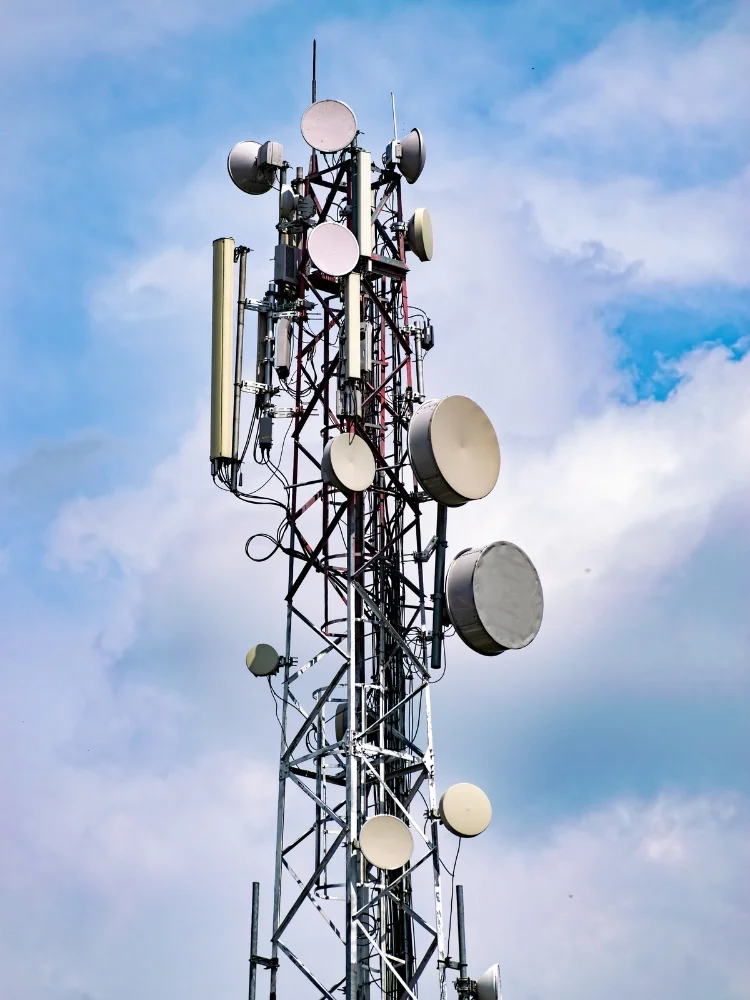
Sri Lanka's telecommunications sector is among the most advanced in South Asia, with strong mobile penetration, expanding broadband coverage, and widespread smartphone adoption. Over the past two decades, liberalization and private investment have fueled rapid growth. Today, mobile penetration exceeds 150%, meaning more connections than people. Internet usage continues to climb, with 4G widely available and 5G in pilot testing.The market is highly competitive, led by Dialog Axiata, SLT-Mobitel, Airtel, and Hutch. These operators provide voice, data, and digital services to millions of users. Broadband infrastructure has expanded significantly, enabling online education, e-commerce, and digital entertainment. The COVID-19 pandemic accelerated digital adoption further, underscoring the importance of robust telecom infrastructure in sustaining the economy.

For investors, opportunities span 5G rollout, fiber-to-the-home broadband, cloud services, data centers, and cybersecurity. As digital lifestyles expand, demand for streaming platforms, fintech, mobile apps, and digital payments is increasing rapidly. Supporting infrastructure and innovation in these areas offer attractive prospects.Sri Lanka's location also enhances its appeal. Undersea cable connections link the island to major regional networks, allowing it to serve as a data hub between Asia and the Middle East. International investors with expertise in digital infrastructure can leverage this advantage by partnering with local operators.Looking forward, the telecom sector will remain central to Sri Lanka's economic transformation. As the government emphasizes e-governance, digitalization, and smart cities, telecom infrastructure will underpin progress. For investors, the sector offers scalability, innovation potential, and strong long-term demand.
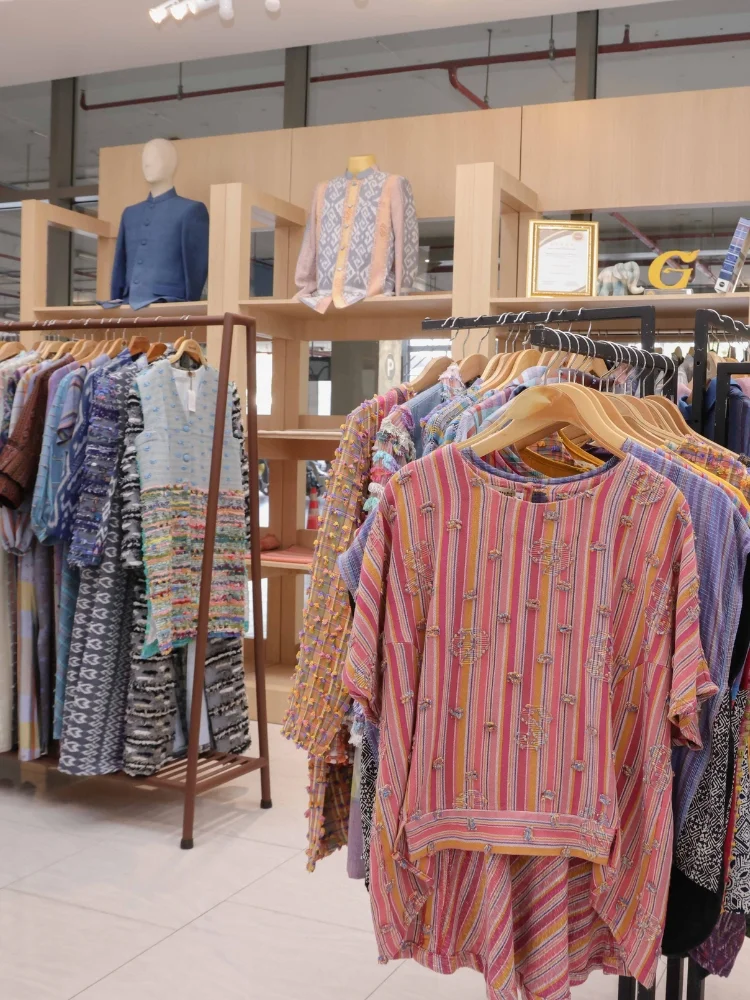
Textiles & Apparel
The textiles and apparel industry is one of Sri Lanka's most successful export sectors, generating billions annually and employing hundreds of thousands. Renowned for quality, reliability, and ethical manufacturing, it supplies leading global brands including Nike, Victoria's Secret, Calvin Klein, and Tommy Hilfiger.A key differentiator is Sri Lanka's focus on sustainability and compliance. The country pioneered the "garments without guilt" initiative, ensuring ethical labor practices and environmentally friendly production. This commitment has secured long-term relationships with buyers who prioritize ethical sourcing. With global demand for sustainable fashion increasing, Sri Lanka is well positioned to expand market share.

The sector is diversified across knitwear, lingerie, activewear, uniforms, and high-end fashion. Investments in design, R&D, and innovation have enabled manufacturers to move up the value chain, offering product development and integrated supply chain solutions. Free Trade Agreements, particularly GSP+ access to the EU, further enhance competitiveness.For investors, opportunities exist in expanding production capacity, establishing textile parks, and supporting design and innovation hubs. The domestic textile industry also offers potential, as much raw material for apparel is still imported. Local textile mills and dyeing facilities could reduce costs and strengthen the supply chain.The long-term outlook is positive. Global brands increasingly value sustainability and ethical practices, aligning with Sri Lanka's strengths. Government support for exports and infrastructure development adds momentum. For investors, the apparel sector offers entry into a globally connected, resilient industry that combines profitability with strong international reputation.
Thermal Power
Thermal power remains a critical component of Sri Lanka's energy mix, ensuring stable supply alongside hydropower and renewables. With rising demand from households, industries, and digital services, thermal plants provide reliability during low rainfall periods when hydropower generation declines.Currently, the country relies on coal and oil-fired plants to meet demand. While the government targets 70% renewable generation by 2030, thermal energy will remain essential for balancing supply and demand in the medium term. Modernizing facilities and shifting to cleaner fuels are part of the strategy to enhance efficiency and reduce environmental impact while ensuring energy security.

Investment opportunities include upgrading existing plants, introducing cleaner technologies, and developing natural gas-based generation. Liquefied natural gas (LNG) is expected to play a growing role, and Sri Lanka's coastal location facilitates fuel imports. Public–private partnerships are encouraged for new power projects, particularly those that improve efficiency and lower emissions.The sector also presents opportunities for international investors in LNG infrastructure, combined-cycle power plants, and carbon capture technologies. As industrial activity, IT services, and digital infrastructure expand, reliable energy will remain a top priority, supporting consistent demand for modern thermal solutions.In the long run, thermal power's role will be to complement renewables by ensuring base-load stability. For investors, this sector provides opportunities to introduce innovation, sustainability, and cleaner fuels while securing stable returns. By modernizing Sri Lanka's thermal power capacity, investors can play a key role in the country's energy transition and economic development.
Tourism & Hospitality
Tourism is one of Sri Lanka's most dynamic and recognizable sectors, often described as the country's window to the world. Blessed with golden beaches, lush mountains, rich cultural heritage, and diverse wildlife, the island has consistently attracted travelers from across the globe. From ancient cities like Anuradhapura and Polonnaruwa to scenic train rides through tea country and world-renowned surfing spots such as Arugam Bay, Sri Lanka offers experiences that appeal to a wide range of travelers.The sector contributes significantly to foreign exchange earnings, employment, and investment opportunities.

For investors, the opportunities are vast and diverse. High-end hotels, boutique resorts, eco-lodges, and wellness retreats are in growing demand as international travelers increasingly seek unique and sustainable experiences. Wellness tourism, particularly Ayurveda and spa-based services, leverages Sri Lanka's ancient healing traditions to attract visitors looking for health and rejuvenation. Adventure tourism, including hiking, diving, and safaris, has also gained popularity, supported by the country's biodiversity and natural resources.Policies also encourage community-based tourism, ensuring that benefits are shared with local communities while enhancing the authenticity of visitor experiences.Looking ahead, the tourism and hospitality sector in Sri Lanka is set to become one of the primary drivers of economic growth. Global travel is rebounding, and Sri Lanka's diverse offerings give it an edge in the competitive tourism landscape. For investors, the sector offers the chance to combine financial returns with the satisfaction of contributing to the promotion of Sri Lanka's culture, natural beauty, and hospitality to the world.
Toys
The toy industry in Sri Lanka is a relatively small but steadily growing sector, with opportunities for expansion in both domestic and export markets. Rising consumer demand, increasing focus on early childhood development, and greater exposure to international trends have created a more dynamic environment for the industry. While much of the local market is currently served by imports, there is growing interest in locally manufactured toys that emphasize quality, safety, and affordability.Domestically, the demand for toys is driven by a young population, urban middle-class families, and greater awareness among parents about the importance of educational and creative play. Educational toys, puzzles, building sets, and games are gaining popularity alongside traditional dolls and soft toys. Schools and early learning centers also represent a steady market for toys that support learning and development.

Sri Lanka has strengths that make it an attractive base for toy manufacturing. With targeted investment, Sri Lanka can reduce its reliance on imported toys and develop a strong local industry that also competes internationally.The long-term outlook is positive, particularly as global demand for safe, sustainable, and educational toys continues to grow. For investors, entering the toy sector in Sri Lanka offers the chance to build an industry from a strong foundation, tapping into both domestic potential and global market trends. This is a sector where creativity, culture, and sustainability can combine to create a competitive advantage for Sri Lanka on the world stage.
Automobile
Sri Lanka's automobile sector remains in a developing but strategically important stage, with activity centered on assembly, vehicle imports, and component manufacturing rather than full-scale car production. Owing to the relatively small domestic market size and foreign exchange limitations, the industry has focused on semi-knocked-down (SKD) and completely-knocked-down (CKD) assembly of cars, three-wheelers, motorcycles, and small trucks under well-known international brands. Government incentives, such as excise duty concessions, have encouraged value addition and job creation.A cluster of about 25 registered component manufacturers produces items ranging from truck bodies and sensors to wire harnesses and rubber parts, some of which supply global brands like Toyota, Honda, and BMW, highlighting Sri Lanka's integration into global supply chains. The domestic vehicle market, valued at approximately USD 5.5 billion in 2020, is projected to expand with an expected CAGR above 6% through 2028, driven by urbanization, rising middle-class incomes, and consumer preference for personal vehicles. However, growth is often checked by regulatory measures like import restrictions during foreign exchange crises, which reduce imports but also open opportunities for domestic assembly expansion.

Another promising area is the shift toward electric mobility. Sri Lanka is encouraging investments in electric cars, bikes, and especially three-wheelers, which play a central role in urban transport. Major challenges include currency volatility, high import dependency for parts, inadequate charging infrastructure, and policy uncertainty.Future development will hinge on a clear long-term automotive policy, investment in EV infrastructure, and stronger partnerships with global brands. For investors, Sri Lanka's automobile sector offers potential in assembly, green mobility solutions, and integration into global value chains.
Biotechnology
Biotechnology in Sri Lanka is still in an emerging stage but holds strong potential due to the country's rich biodiversity, agricultural base, and growing life sciences research capacity. Applications span healthcare, agriculture, aquaculture, environmental management, and industrial processing. Institutions such as the Industrial Technology Institute (ITI), the National Science Foundation (NSF), and the University of Colombo's Biotechnology Centre are leading research efforts in plant tissue culture, molecular diagnostics, genetic engineering, and bioinformatics, while private firms are gradually entering niche markets like biofertilizers, probiotics, and natural extracts.Sri Lanka's unique biodiversity, with over 3,000 plant species including 800 endemics, provides a strong foundation for biopharmaceuticals, herbal medicines, nutraceuticals, and cosmetic applications. Agriculture—particularly tea, coconut, rubber, and spices—offers opportunities for biotech-driven productivity improvements through pest-resistant crops, disease diagnostics, and bio-based fertilizers.

In aquaculture, biotechnology supports improved breeding and disease control, strengthening a sector vital for food security and exports.Challenges include limited R&D funding, lack of advanced infrastructure such as biotech parks and large-scale labs, and gaps in regulations around intellectual property, biosafety, and technology transfer. These constraints hinder commercialization. Nonetheless, opportunities exist for investors in biotech incubators, contract research partnerships, and joint ventures to produce herbal-based drugs, vaccines, diagnostic kits, and bio-based chemicals, particularly as global demand for sustainable bio-products accelerates.Sri Lanka's Ayurveda heritage naturally linking to bio-innovation, biotechnology offers long-term potential to transform healthcare, agriculture, and cosmetics. For investors, this is a sector with high growth potential where science, sustainability, and market demand converge.
Capital Goods
The capital goods sector in Sri Lanka—covering industrial machinery, construction equipment, transport systems, and heavy engineering—plays a vital enabling role in the country's industrial development. However, it remains relatively underdeveloped compared to regional peers and heavily dependent on imports from India, China, Japan, and Europe. This presents both a challenge and an opportunity for investors. Demand is primarily driven by infrastructure projects, manufacturing, and construction, which together represent a significant share of GDP and are expected to expand under post-crisis recovery and urbanization plans.

Local manufacturing capacity is currently limited to small-scale fabrication of machinery, agricultural equipment, and light engineering works, including products such as water pumps, boilers, and small-scale power systems. Advanced technologies such as CNC machines, precision tools, and large-scale industrial plants are almost entirely imported. To address this gap, the government has introduced initiatives like "Made in Sri Lanka" and promoted industrial zones that require capital goods, creating opportunities for foreign investors to establish assembly and light manufacturing facilities in Export Processing Zones or Port City Colombo.Incentives, including tax benefits and import concessions for firms that establish domestic manufacturing operations, further enhance the investment case.Challenges include limited economies of scale, shortages of advanced engineering skills, and weak R&D capacity. However, Sri Lanka's skilled workforce and competitive labor costs offer a strong foundation for technology transfer and training-based ventures. Investors from India, Japan, and China are already exploring opportunities in construction equipment, port machinery, and power plant systems. For investors, the sector offers the chance to build domestic self-reliance, reduce import dependency, and cater to both Sri Lanka's needs and regional markets.
Chemicals
The chemical sector in Sri Lanka is a crucial enabler of agriculture, textiles, construction, and manufacturing, yet it remains highly import-dependent. The industry is valued at over USD 1 billion annually, with agriculture accounting for a significant portion of demand through fertilizers, pesticides, and growth chemicals. Construction and manufacturing absorb paints, coatings, adhesives, plastics, and detergents, while the pharmaceutical sector represents a rapidly growing area of demand, as Sri Lanka imports more than 80% of its raw materials and finished drugs.Domestic chemical production is limited to small-scale operations in soaps, detergents, rubber products, paints, and agrochemicals. However, Sri Lanka's natural resources—such as high-purity graphite, mineral sands (ilmenite, rutile, zircon), and limestone—offer a strong base for value-added chemical industries, including carbon products, ceramics, and titanium dioxide.

The government has encouraged investment in industrial parks and port-related zones where chemical clusters can be developed under strict environmental management systems. Challenges include the absence of hazardous waste disposal facilities, weak regulatory frameworks, and limited economies of scale. Nonetheless, Sri Lanka's strength in coconut and spice cultivation provides additional opportunities in essential oils, oleochemicals, and natural extracts for the cosmetics and food sectors.Foreign investors from India, Japan, and Europe have shown interest in fertilizer blending, pharmaceutical chemicals, and packaging materials. With modern storage, logistics, and safety infrastructure, Sri Lanka could also become a regional distribution hub for chemicals, leveraging its strategic location and ports. For investors, the sector offers long-term opportunities in value addition, import substitution, and sustainable manufacturing.
Civil Aviation
Civil aviation in Sri Lanka is both a driver of tourism and trade and a sector with growing strategic importance. It is anchored by Bandaranaike International Airport (BIA) in Colombo, Mattala Rajapaksa International Airport (MRIA), and Ratmalana Airport, along with an expanding domestic aviation network. SriLankan Airlines remains the national carrier with a strong presence across South Asia and the Middle East, while private airlines and charter operators are gradually meeting demand for domestic tourism and logistics.

Before the pandemic, Sri Lanka welcomed over 2 million tourists annually, with aviation playing a central role. However, the sector was heavily impacted by COVID-19, and SriLankan Airlines faced significant debt challenges, prompting government discussions on restructuring and privatization. Recovery is now underway, with BIA expanding capacity to handle 15 million passengers per year and new investments in cargo facilities aimed at positioning Sri Lanka as a logistics hub for South Asia.Sri Lanka's strategic location on major east–west air routes makes it an ideal transit hub, while secondary airports like Hambantota and Mattala hold potential for cargo and regional operations.Challenges include financial instability of the national carrier, outdated secondary infrastructure, and regulatory bottlenecks. Still, the rise of low-cost carriers in South Asia and interest from regional players in India, the Middle East, and East Asia present new opportunities. Beyond passenger transport, Sri Lanka is also exploring drone technology, pilot training, and niche aerospace manufacturing. For investors, the civil aviation sector offers a mix of tourism-driven growth, logistics advantages, and emerging aerospace potential.
Construction
The construction sector in Sri Lanka is one of the largest contributors to GDP and employment, serving as the backbone of infrastructure development, housing expansion, and industrial growth. Historically accounting for 8–10% of GDP and employing more than 600,000 workers, the sector remains vital despite recent slowdowns caused by the economic crisis, foreign exchange shortages, and reduced public spending.Large-scale projects in expressways, ports, airports, power plants, and urban development have traditionally been supported by foreign investment, particularly from China, India, and Japan. At the same time, regional towns are experiencing growth in residential and commercial property, driven by urban migration and rising demand for modern amenities.

Key challenges include dependence on imported raw materials such as steel, cement, and tiles; vulnerability to currency depreciation; and delays in project financing. However, these challenges are offset by emerging opportunities in green construction, prefabricated housing, renewable energy-linked infrastructure, affordable housing, and smart city developments. Port City Colombo stands out as a flagship mega-project, offering land reclamation, international financial services hubs, and lifestyle-focused real estate developments.The Construction Industry Development Authority (CIDA) oversees standards while the government provides incentives for investors through the Urban Development Authority (UDA) and the Board of Investment (BOI), creating a framework for both local and foreign participation.Looking ahead, the sector's recovery will be supported by the rebound in tourism, infrastructure financing from multilateral agencies, and sustained demand for urban housing. For investors, Sri Lanka's construction industry offers a broad spectrum of opportunities—from large-scale infrastructure and mixed-use developments to niche real estate projects—making it a key driver of long-term growth tied to the country's urbanization and modernization journey.
Consumer Goods
Sri Lanka's consumer goods sector is diverse, resilient, and one of the most dynamic pillars of the economy. It covers fast-moving consumer goods (FMCG) such as food, beverages, household products, and personal care, with a market size estimated at over USD 8 billion annually. The sector benefits from a 22 million population, an expanding urban middle class, and rising disposable incomes, although recent years have seen fluctuations in purchasing power due to inflation and currency depreciation.Local companies such as Ceylon Biscuits Limited (CBL), Hemas, Maliban, Elephant House, and Anchor dominate domestic segments, while multinationals including Unilever, Nestlé, Coca-Cola, and Procter & Gamble maintain a strong presence in personal care, dairy, and beverages. Shifting consumer preferences are creating new demand for health-oriented, organic, and sustainable products, with premium offerings gaining traction among younger, urban consumers.

E-commerce adoption has accelerated, with platforms like Daraz, Kapruka, and Keells Online transforming retail distribution. Government initiatives such as "Made in Sri Lanka" and tax incentives for food and beverage manufacturing further strengthen domestic production, while exports of Sri Lankan FMCGs—including tea-based beverages, coconut products, spices, and processed foods—enjoy strong international recognition.Key challenges include reliance on imported raw materials, regulatory complexity, and consumer price sensitivity. However, strong brand loyalty and consistent demand provide stability. Sustainability is becoming a central driver, with companies investing in eco-friendly packaging, ethical sourcing, and waste reduction. Opportunities exist in joint ventures, brand acquisitions, supply chain modernization, and product innovation targeting health-conscious and digital-savvy consumers. Overall, the sector offers high-volume growth, long-term resilience, and strong prospects in both local and international markets.
Beauty & Personal Care
Sri Lanka's beauty and personal care sector is expanding steadily, supported by urbanization, rising consumer awareness, and a cultural emphasis on grooming and wellness. Valued at over USD 500 million annually, the market spans skincare, haircare, cosmetics, fragrances, and hygiene products, with growth driven by an increasingly young and female workforce, alongside the influence of social media and e-commerce.Domestic brands such as Janet Ayurveda, Link Natural, and Nature's Secrets have carved out niches by combining herbal and ayurvedic formulations with modern branding, while global players like Unilever, L'Oréal, Procter & Gamble, and Oriflame dominate mainstream product categories. Sri Lanka's ayurvedic heritage provides a natural advantage, with herbal ingredients such as sandalwood, gotukola, neem, and cinnamon creating differentiation in natural and organic product lines that are gaining international traction.

Distribution is expanding through both online platforms like Daraz, Salon K, and brand-owned e-commerce sites, as well as offline modern trade outlets such as Keells, Arpico, and Odel. The beauty services segment is also growing rapidly, with salons, spas, and wellness centers offering both local and global treatments.Challenges include import restrictions on raw materials, counterfeit products, and limited access to internationally recognized certifications. However, these gaps open doors for investors to introduce advanced formulations, dermatological expertise, and international quality standards. Export potential is strong in herbal beauty products, with growing demand in Europe, the Middle East, and Asia. Premium niches such as anti-aging, men's grooming, and sustainable packaging are also emerging. Supported by government incentives and wellness tourism branding, Sri Lanka is well-positioned to scale as a regional and global player in natural beauty and personal care.
Gems & Jewellery
The gems and jewellery sector is one of Sri Lanka's oldest and most prestigious industries, with a heritage spanning over 2,500 years. The country is globally recognized for its sapphires, rubies, and other precious stones, earning the name "Ratna-Dweepa" or "Island of Gems." The industry contributes around USD 500 million annually in exports, with major markets in the US, Europe, Hong Kong, and the Middle East.Sri Lanka's sapphires, particularly the famed blue sapphires of Ratnapura, are prized for their clarity and brilliance, while unique varieties like padparadscha sapphires, garnets, and moonstones diversify the export base. The industry employs over 600,000 people directly and indirectly across mining, cutting, heat treatment, design, and retail. Institutions like the National Gem and Jewellery Authority (NGJA) and the Sri Lanka Gem and Jewellery Association provide regulation, certification, and international promotion.

The country is actively encouraging foreign investment in value-added activities such as gem cutting, jewellery manufacturing, and branded retail outlets, particularly within Export Processing Zones and Port City Colombo. Challenges include illegal mining, outdated equipment, environmental concerns, and competition from hubs like Thailand and India. However, Sri Lanka's reputation for ethically sourced, conflict-free gems strengthens its global brand appeal.Domestically, demand for designer jewellery, wedding pieces, and luxury branding is growing among affluent consumers. Opportunities exist in innovation, design, digital sales, and storytelling to further elevate Sri Lankan jewellery in premium global markets. Overall, the sector combines heritage, craftsmanship, and strong demand, offering enduring potential for high-value investment.
Agriculture & Allied Sector
Agriculture and allied industries remain central to Sri Lanka's economy, employing 25–30% of the workforce and contributing around 7–8% of GDP, while providing food security, rural livelihoods, and raw materials for key export industries such as tea, rubber, coconut, and spices.Ceylon Tea continues to lead exports, generating over USD 1.2 billion annually, while coconuts (desiccated coconut, coconut oil, coir), rubber, cinnamon, pepper, and cardamom sustain both domestic and global demand. Allied subsectors such as fisheries, livestock, and forestry also contribute significantly, with tuna, prawns, milk, poultry, and wood products feeding into local consumption and exports.

Despite its importance, productivity lags behind regional peers due to smallholder dominance, traditional practices, and limited mechanization. Climate change, fertilizer shortages, and pest outbreaks further pressure yields. Government reforms are targeting modernization, irrigation development, and sustainable practices, with mixed outcomes from policies such as the organic fertilizer initiative.For investors, opportunities lie in agro-processing, cold chain logistics, precision farming, agri-biotech, and high-value exports like organic tea, fruits, floriculture, nutraceuticals, and herbal products. Sri Lanka's biodiversity supports unique allied industries such as essential oils and herbal cosmetics, aligned with global wellness trends.Challenges include fragmented landholding, post-harvest losses of up to 30%, limited rural credit, and heavy dependence on rainfall. However, multilateral agencies such as the World Bank and Asian Development Bank are funding modernization projects, while the government is promoting Public-Private Partnerships (PPPs) in warehouses, silos, and irrigation infrastructure. Rising international demand for sustainable, traceable agricultural products positions Sri Lanka well to transform its agriculture into a modern, export-oriented value chain that strengthens rural incomes and national stability.

Auto Components
Sri Lanka's auto components industry, though small compared to regional hubs like India and Thailand, is an emerging sector with promising potential. Around 50 companies are engaged in manufacturing components such as truck bodies, sensors, wire harnesses, rubber products, and precision parts, with exports reaching markets including the USA, Germany, UK, Canada, and Switzerland.Local firms have built reputations for high-quality production, with some supplying global automotive leaders like Toyota, Honda, BMW, Aston Martin, Volvo, and Opel. These successes are concentrated in niche areas where quality and reliability outweigh mass production. The domestic market also provides steady demand, as more than 15 assembly plants for cars, three-wheelers, and motorcycles rely on locally sourced components, though high-tech parts are still largely imported.

Government incentives—including tax benefits and streamlined infrastructure in Export Processing Zones (EPZs)—support the industry. Sri Lanka's skilled workforce, competitive labor costs, and geographic position along major shipping routes enhance its attractiveness as a regional supplier hub.Key challenges include the lack of large-scale facilities, limited R&D capacity, and vulnerability to policy changes, particularly regarding import restrictions and excise duties. However, coordinated industrial policy, strategic clustering of manufacturers, and partnerships with global players could mitigate these risks. As global supply chains diversify beyond China and India, Sri Lanka has the potential to position itself as a niche, quality-focused supplier. Overall, the auto components sector represents a strategic growth opportunity with strong export potential and alignment to global automotive trends.


Get Started
Sri Lanka is growing fast. Access Asia, Middle East, and Europe. Skilled workforce. Strong industries. Supportive policies. Enter now. Build profitable ventures. Shape the future with Sri Lanka.